
Why we started
Why Balanced Bites?
Food is the one thing everybody needs every single day. It is also the first thing that runs short.
Around us, most people can find something to eat. Finding a balanced meal is the harder part. When money is tight the plate fills with whatever is cheapest, and vegetables and fruit are the first things to disappear from it.
Schools and children's homes feel this most. Many depend on produce that is bought in or donated, which means the vegetables arrive when somebody else can afford them. When a donation stops, so does the kale.
So we asked a smaller, more stubborn question: what if a place could grow part of its own food, in the space it already has — a wall, a corridor, a strip of concrete by the gate?
We could not fix the food system. But we could fill a bottle with soil.
Balanced Bites is what came out of that question. It is run by students, and it puts three things in the same basket: urban farming, nutrition education, and support for the communities near us.
Who we are
A student project, not an organisation
It started at Oshwal Academy in 2026, with a question we could not answer and a pile of bottles we could.
We are students. Nobody here is an agriculturalist and nobody is paid. What we have is time after class, a school that let us use a wall, and families and neighbours who agreed to stop binning their bottles.
The name says what we are after. Balanced is the nutrition half — a plate with vegetables still on it. Bites is the size we work at, because that is the size a class can actually finish.
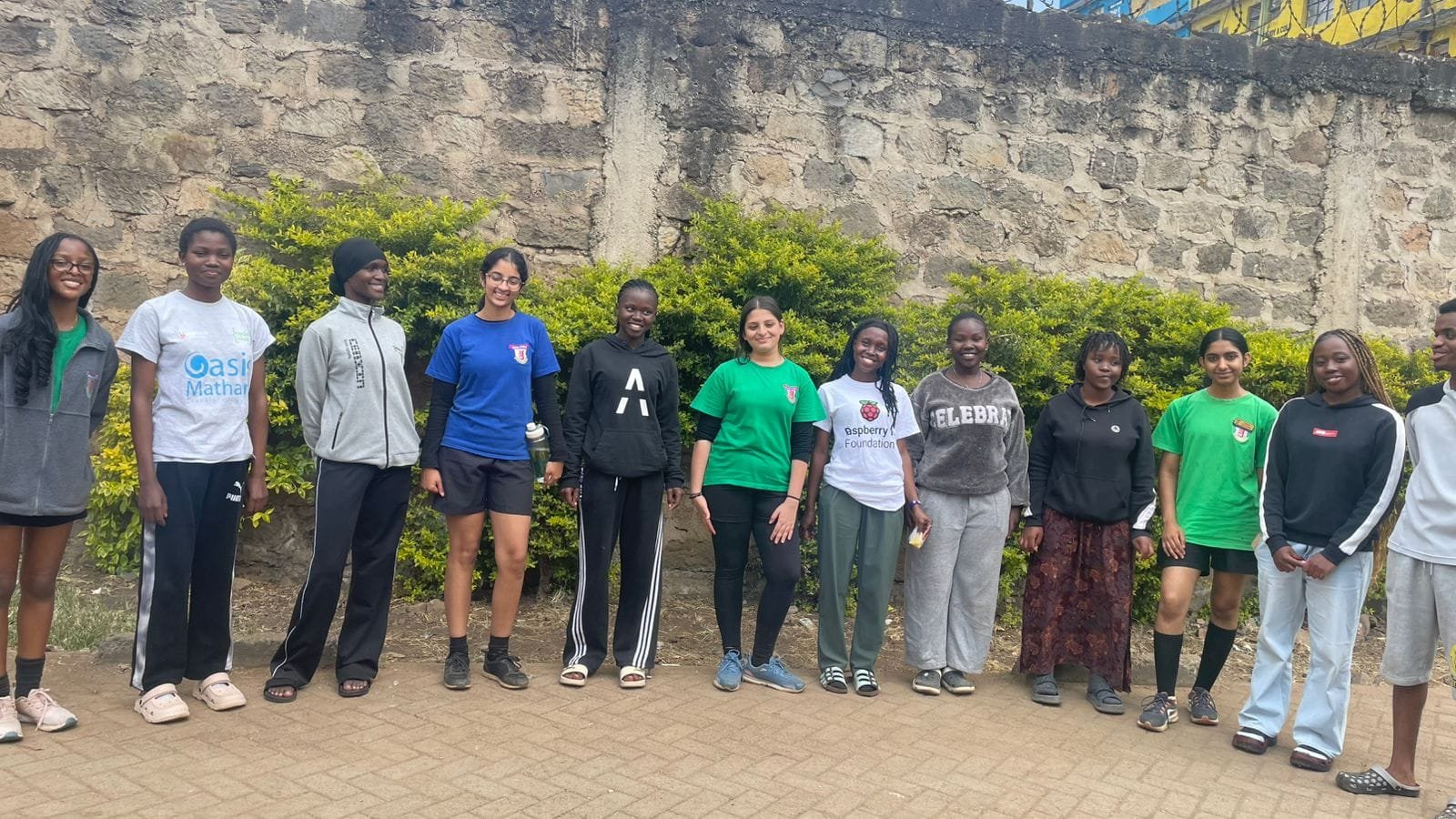
There are four of us, and between us we run the whole thing: the collections, the cutting, the planting, the talks and the follow-up visits. All of it points at one problem — malnutrition — and at the idea that a wall of bottles is a real answer to part of it.
-
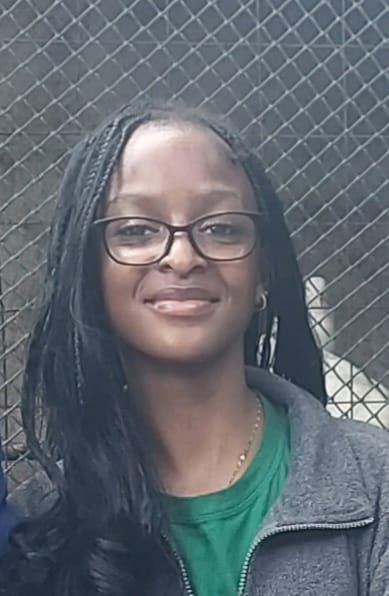
Letisha Wandera
-

Piya Maradia
-

Sanskriti Shekhawat
-
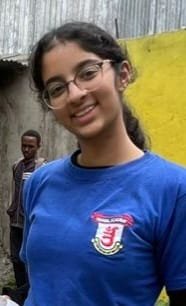
Saumya Vaya
What we do
Bottles in, gardens out
The whole method fits on one page, and that is deliberate. A site should be able to keep its garden going long after we stop visiting.
-
Collect
Classmates, families and neighbours save their plastic bottles instead of binning them. A bottle that would have spent decades in a dump site costs us nothing and holds soil perfectly well.
-
Prepare
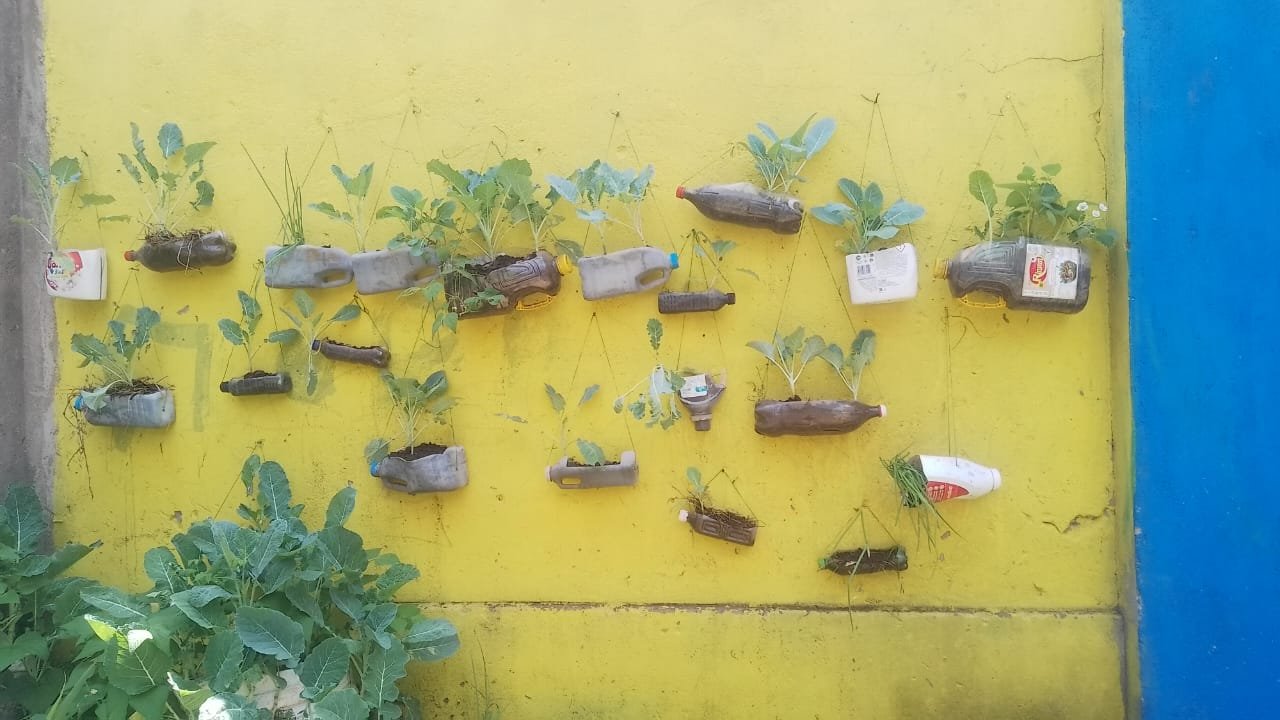
Wash, cut an opening, punch drainage holes, fill with soil and compost. Then hang them in rows on a wall or a fence, low enough for a child to reach.
-
Plant
Seedlings go in, and every student plants their own bottle and writes their own name on it. A garden that belongs to everybody gets watered by nobody.
-
Hand over
We set up a watering rota, train a small team on site, and leave. The point is a garden that outlasts us, not one that needs us.
Why it matters
Two problems that solve each other
A neighbourhood that cannot always afford vegetables is usually the same neighbourhood throwing away plastic that will outlast everyone in it. Put the two together and each one answers the other. That is the whole idea, and it is small enough that a class can run it.
Fresh produce, on site
Vegetables picked the same day they are cooked, from a wall a few steps from the kitchen.
Food that keeps producing
Kale and spring onions are cut-and-come-again. One planting feeds for months, not once.
Less spent on produce
Every bunch grown on the wall is a bunch nobody has to buy or wait on.
A skill that transfers
Children who can prepare a bottle, plant it and keep it alive can do it at home too — and most of them do.
Plastic out of the stream
Bottles that would have been burned or dumped end up holding food for a year or more.
So far
Where we have got to
- 250Bottles collected
- 175Seedlings planted
- 65Children reached
- 9Crop varieties growing
Where we are going
More walls, run by other people
The plan from here is simply to have more walls look green in urban areas, run by people who are not us.
- Reach more schools and orphanages — one full handover at a time, rather than many half-finished ones.
- Set up larger urban farms where there is ground to use, not only walls.
- Put permanent bottle collection points in more neighbourhoods.
- Write the whole method into a one-page guide anybody can follow without us.
- Train a student team at each partner site, so the garden survives when we leave.