Chapter 01
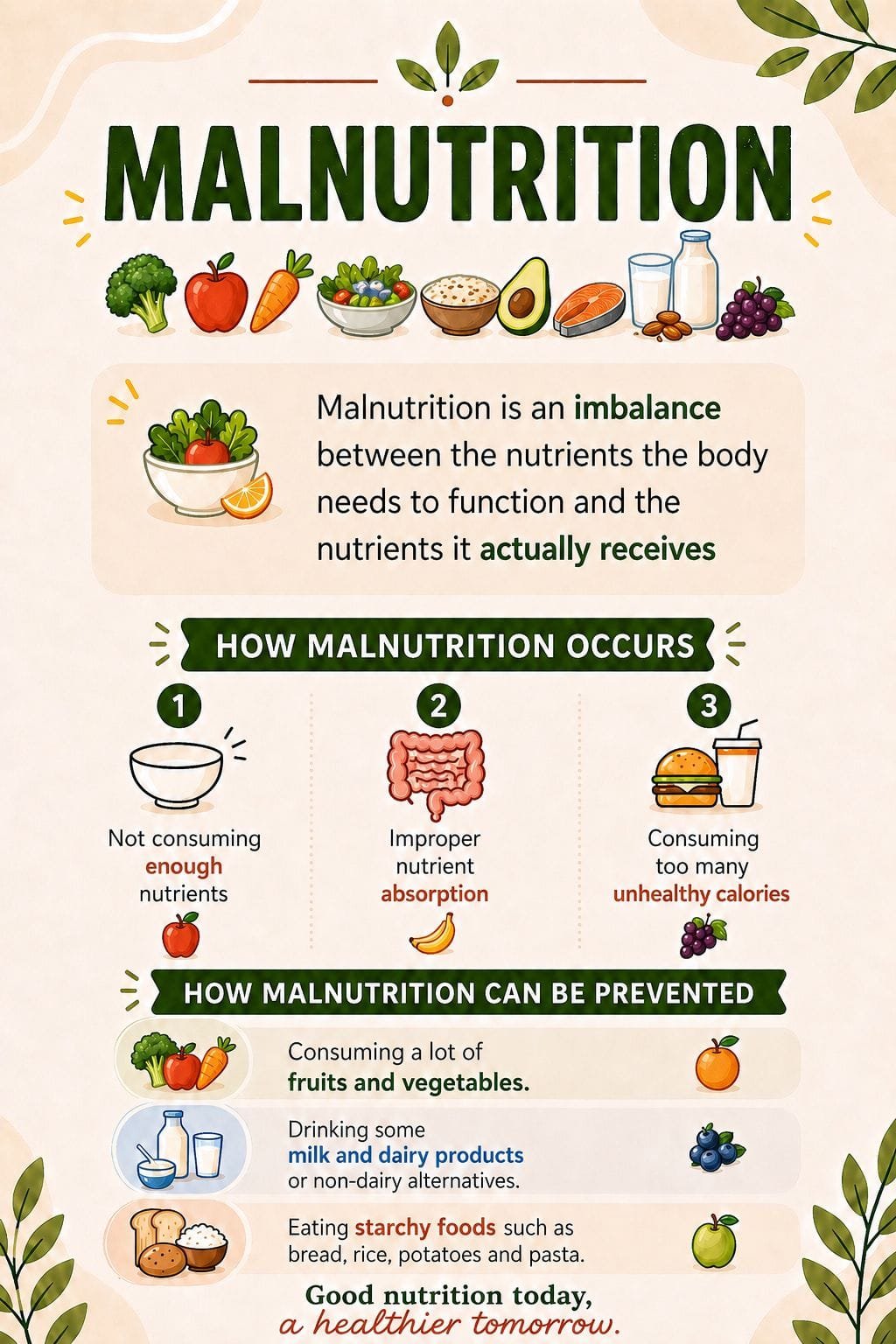
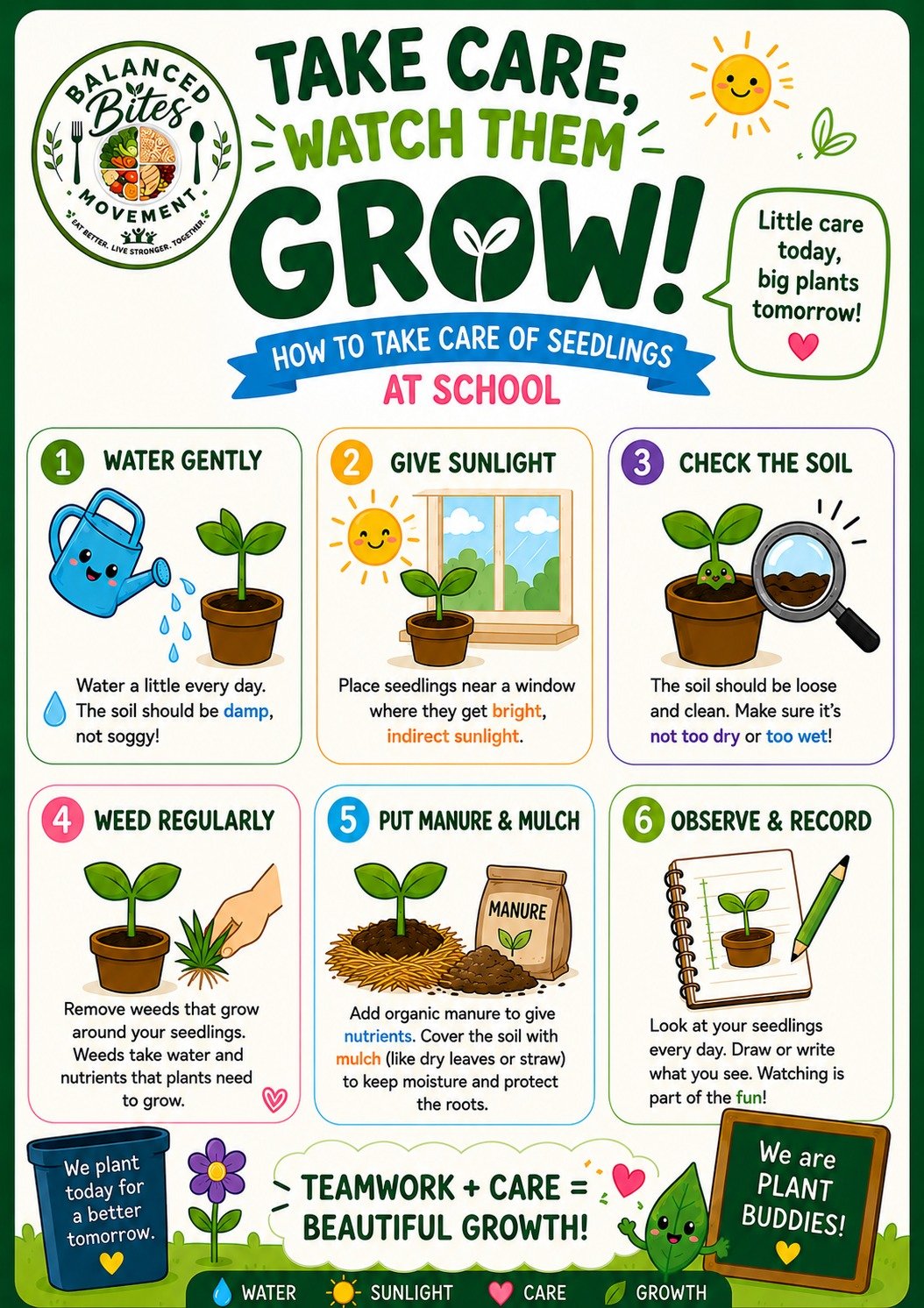
Spreading Awareness
We had two problems facing each other: plastic with nowhere to go, and gardens with nothing to grow in.
Chapter 02
At Our School
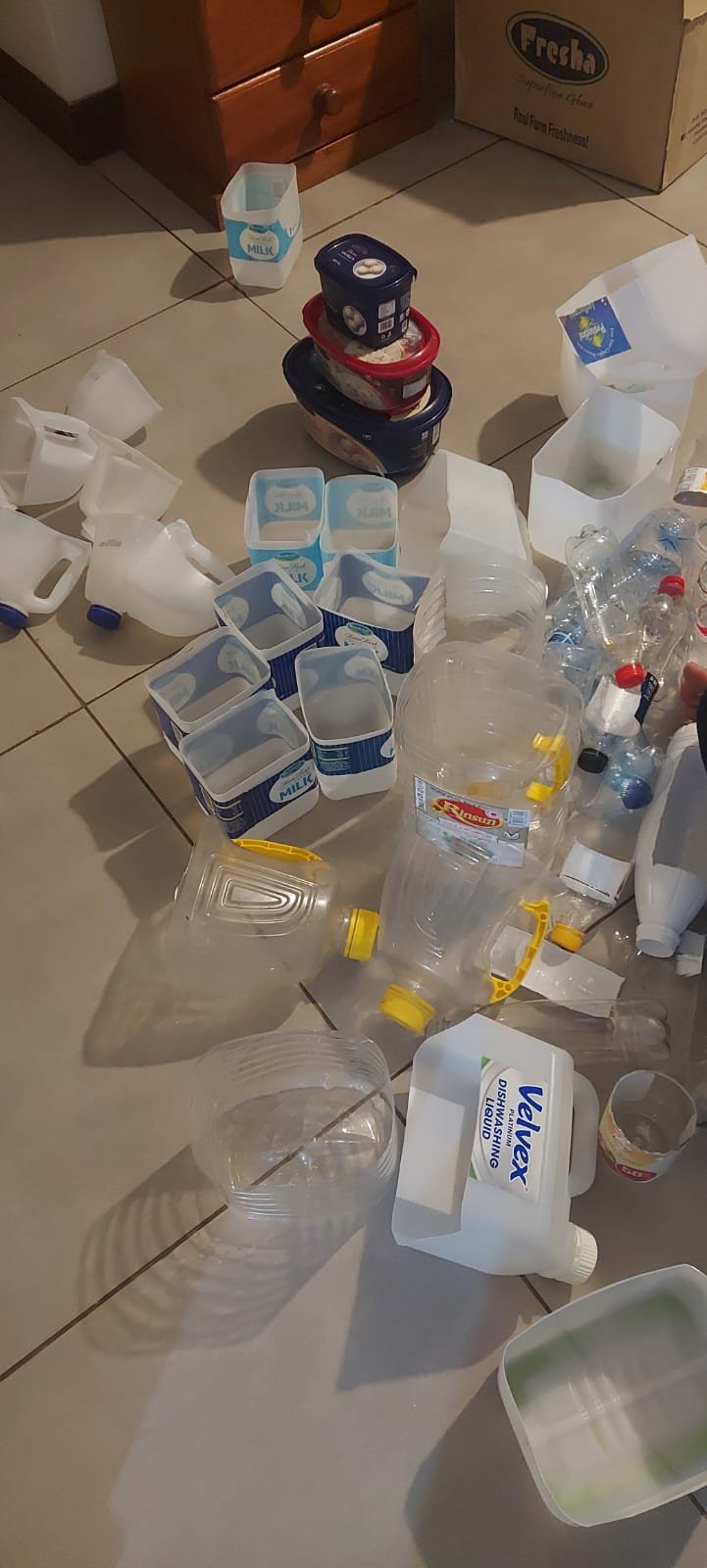
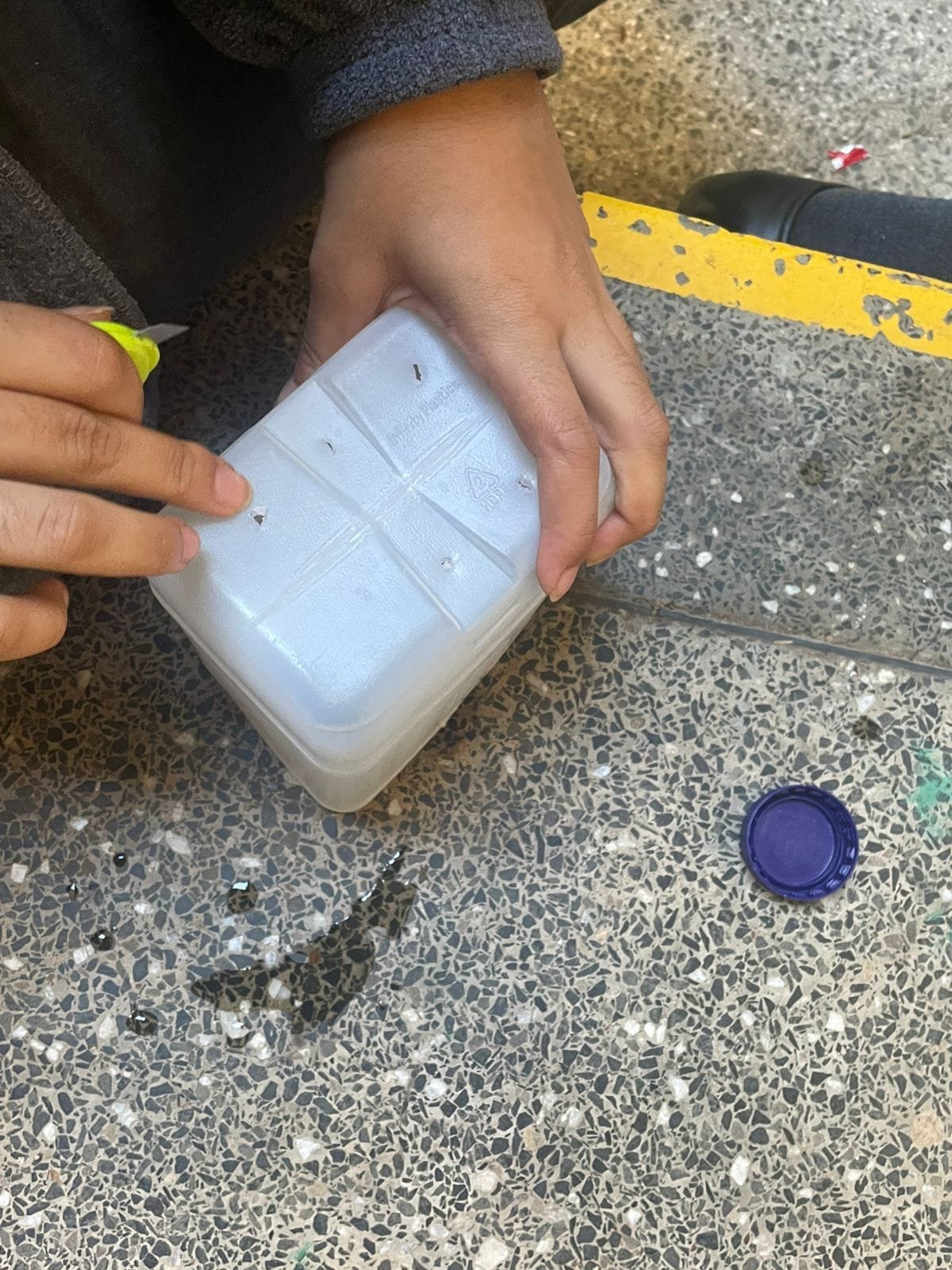
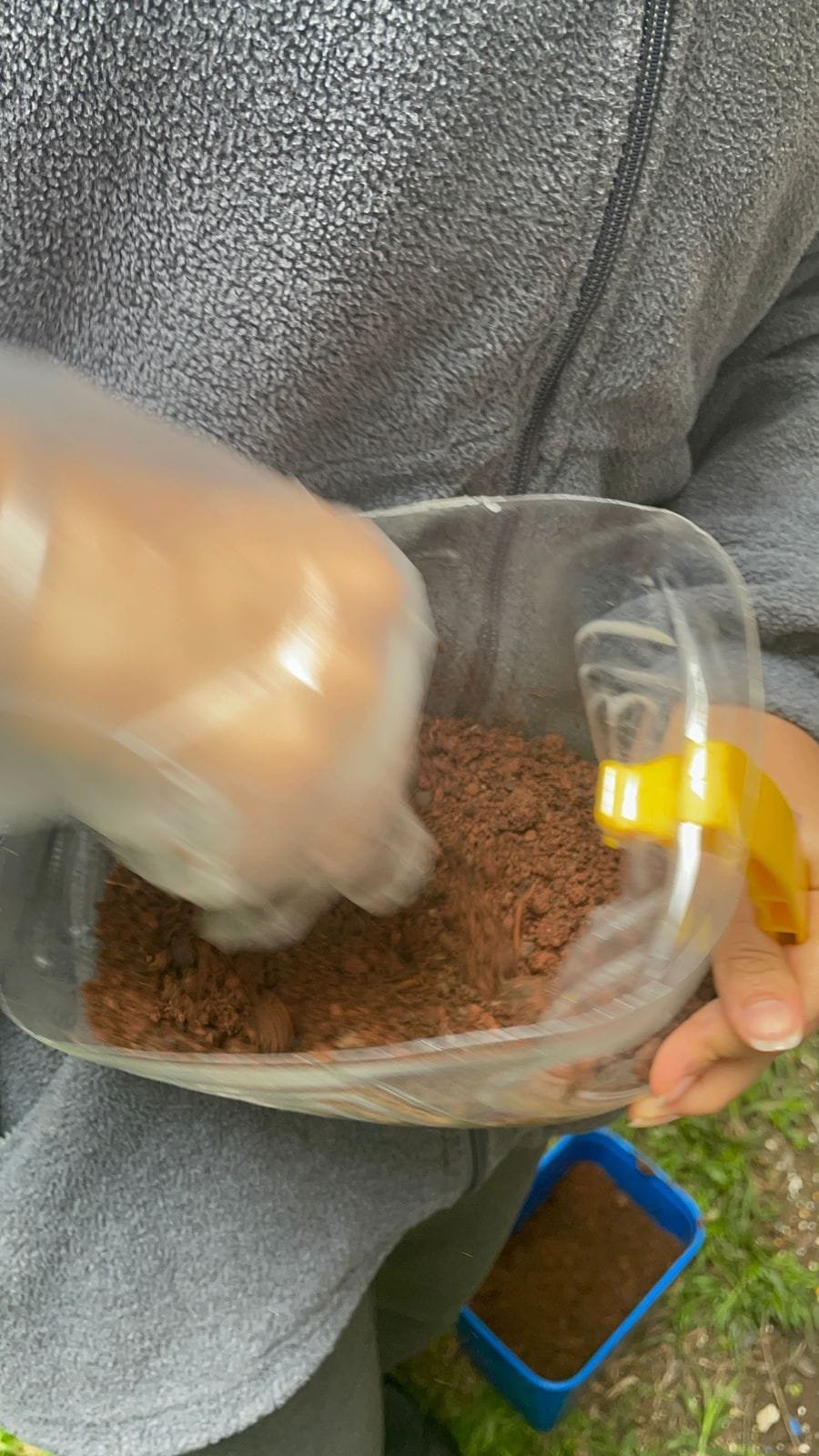
The preparation of bottles by soiling and stringing
Planting and watering
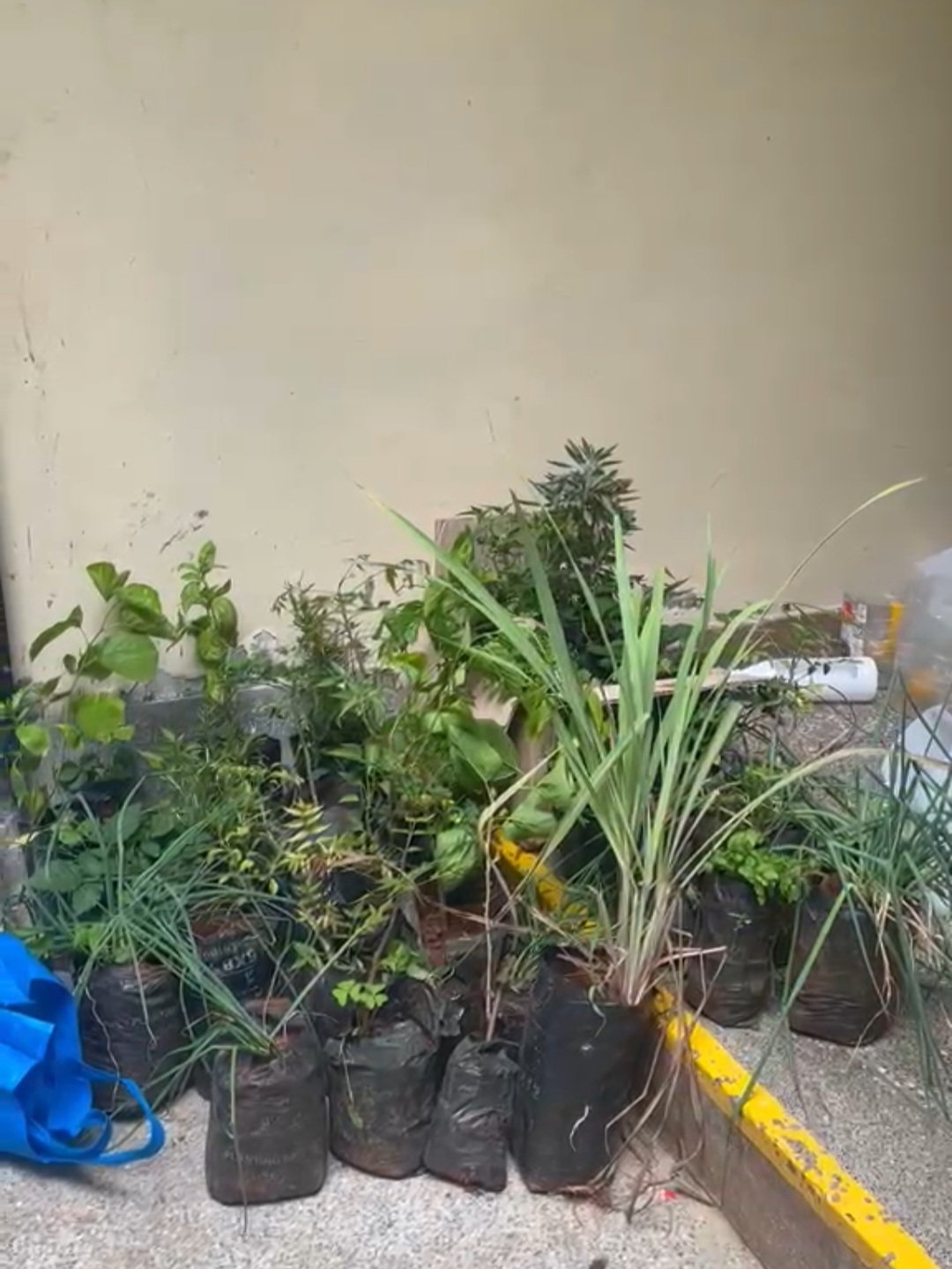
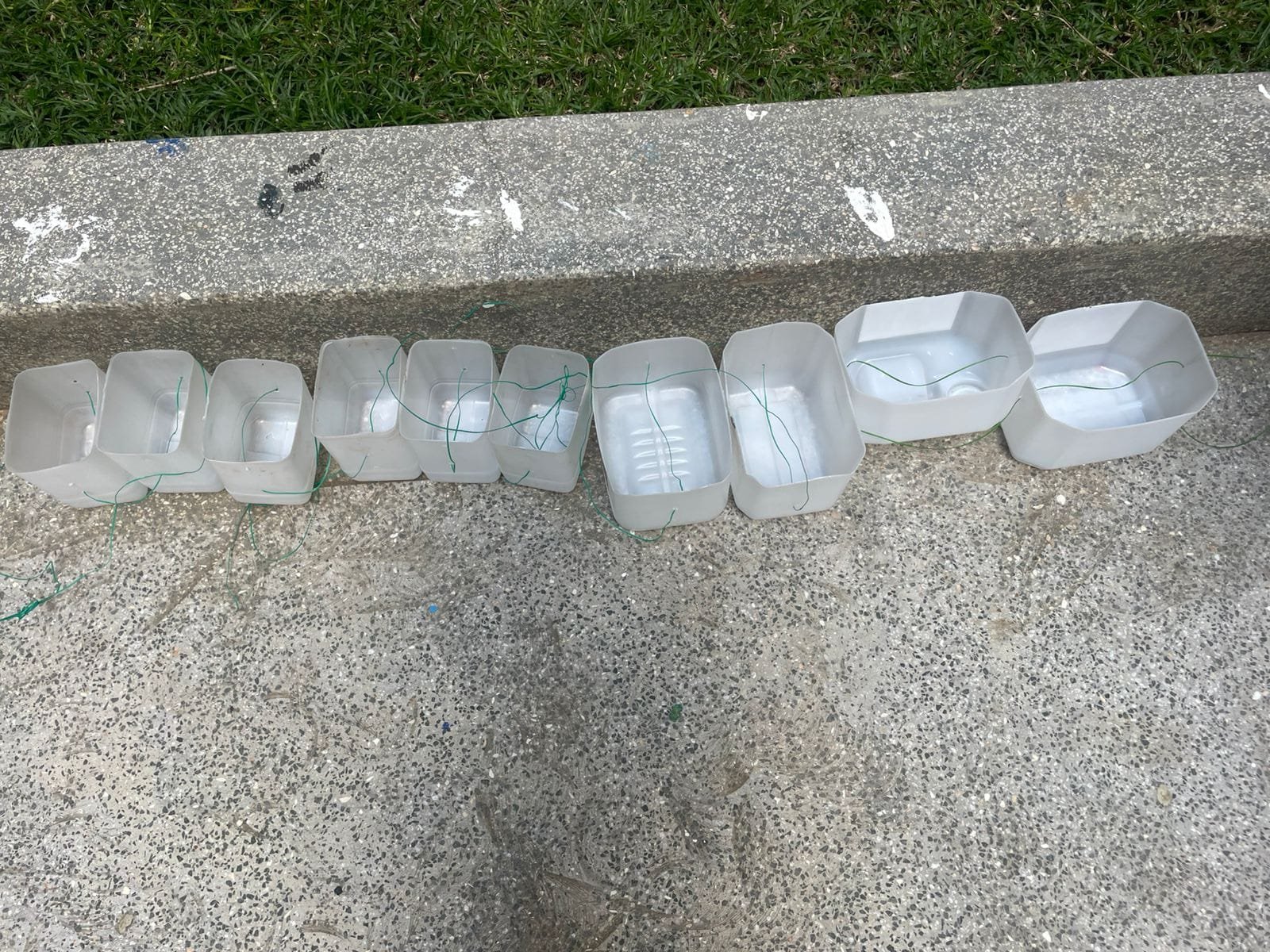
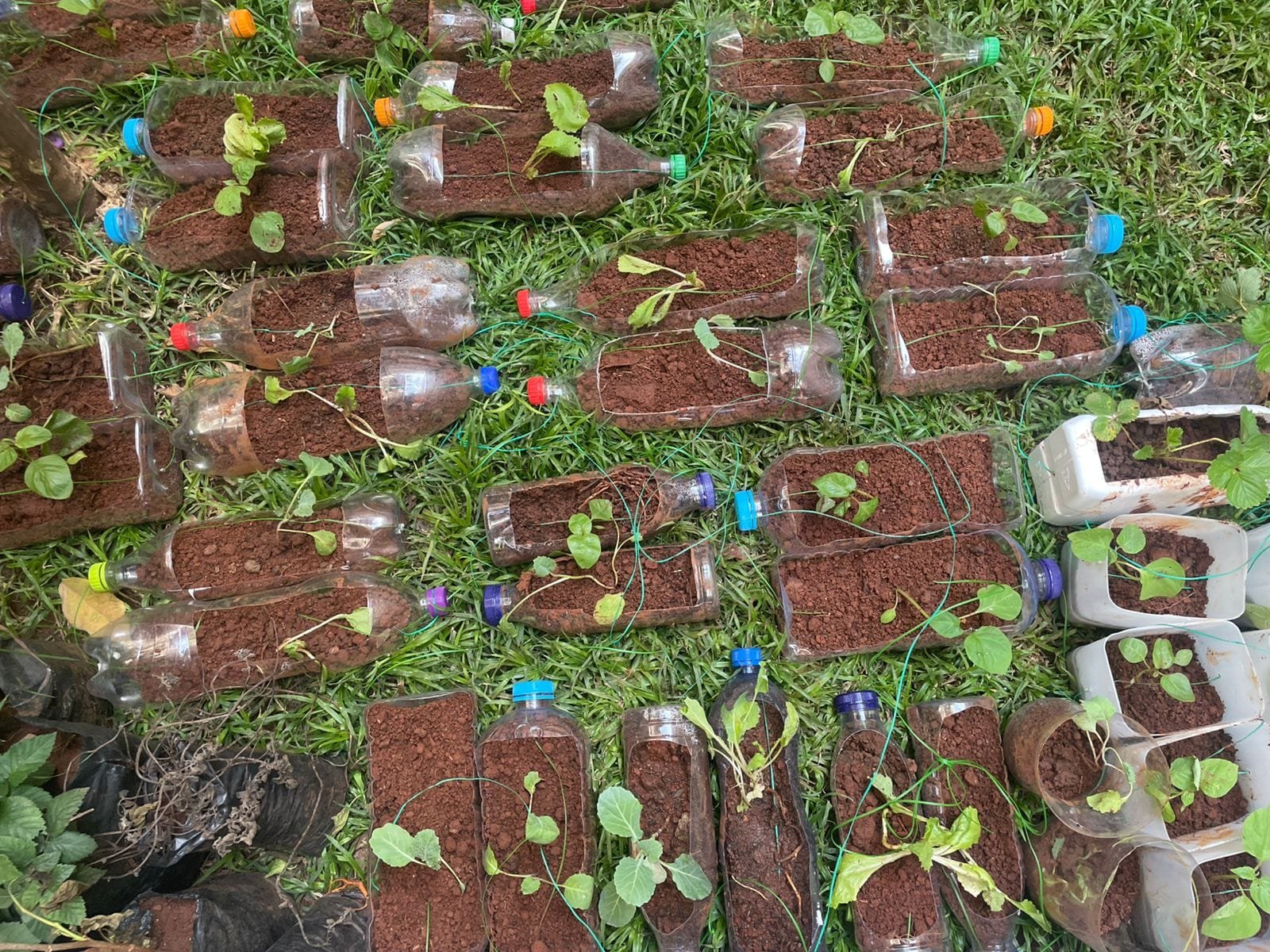 Before
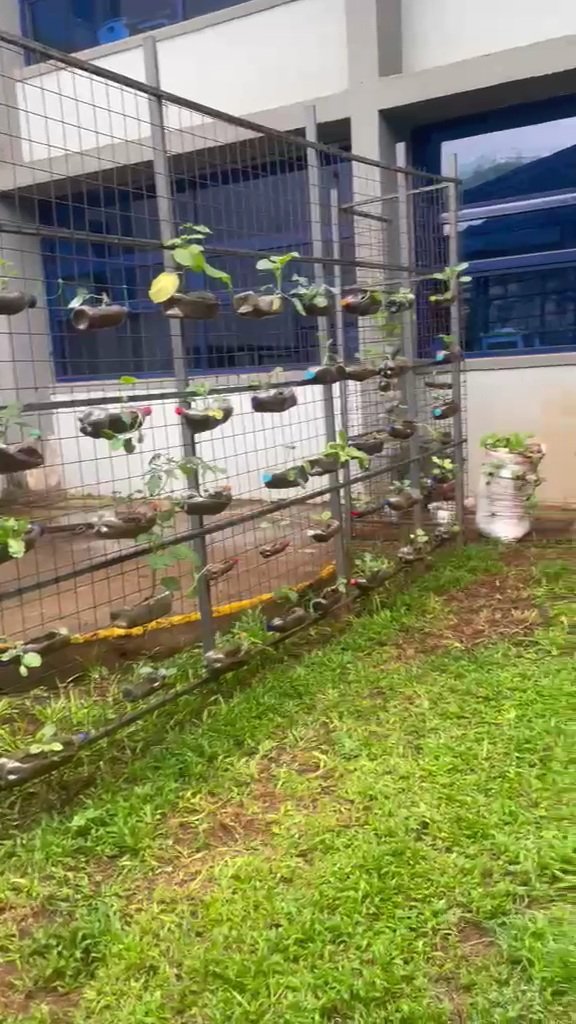
After
Chapter 03
At Oasis
Addressing to Oasis
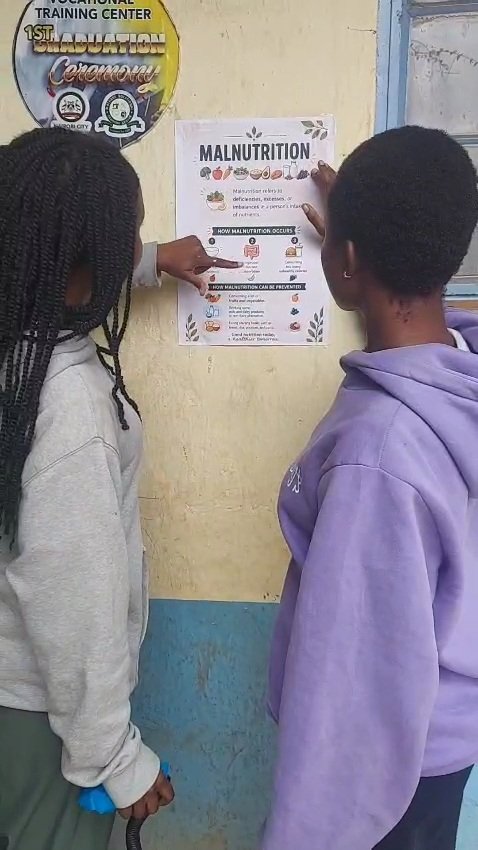
Planting the Future
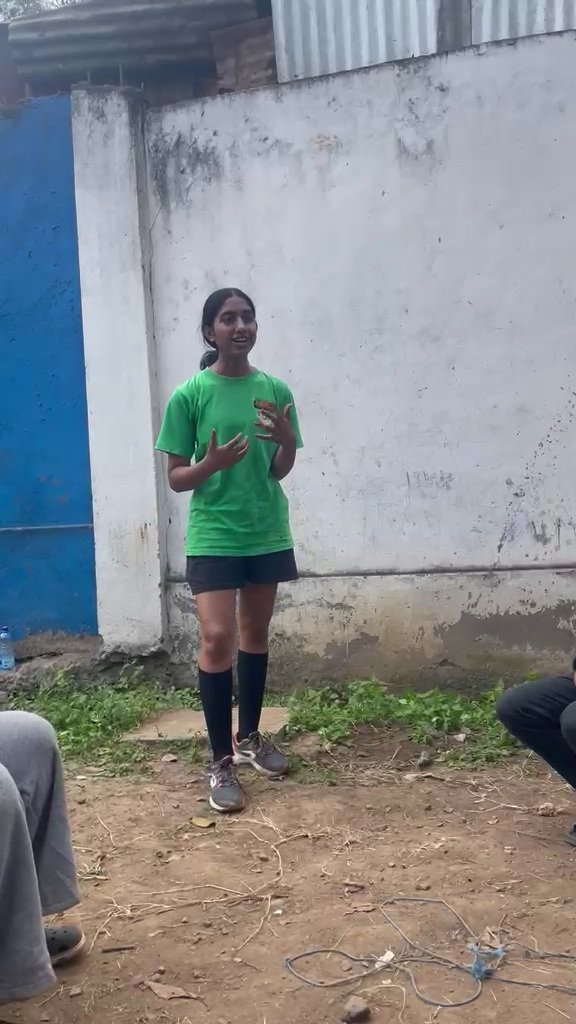
Planting day was loud, muddy, and the best day of the project so far.
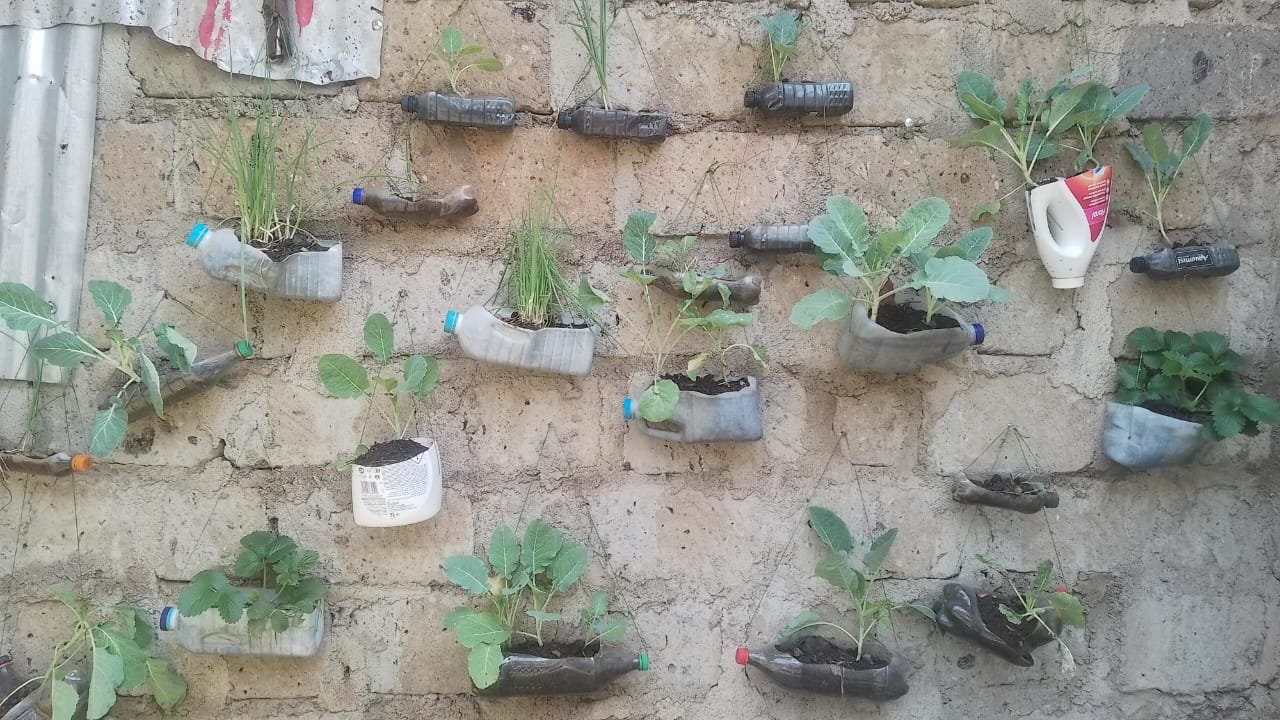
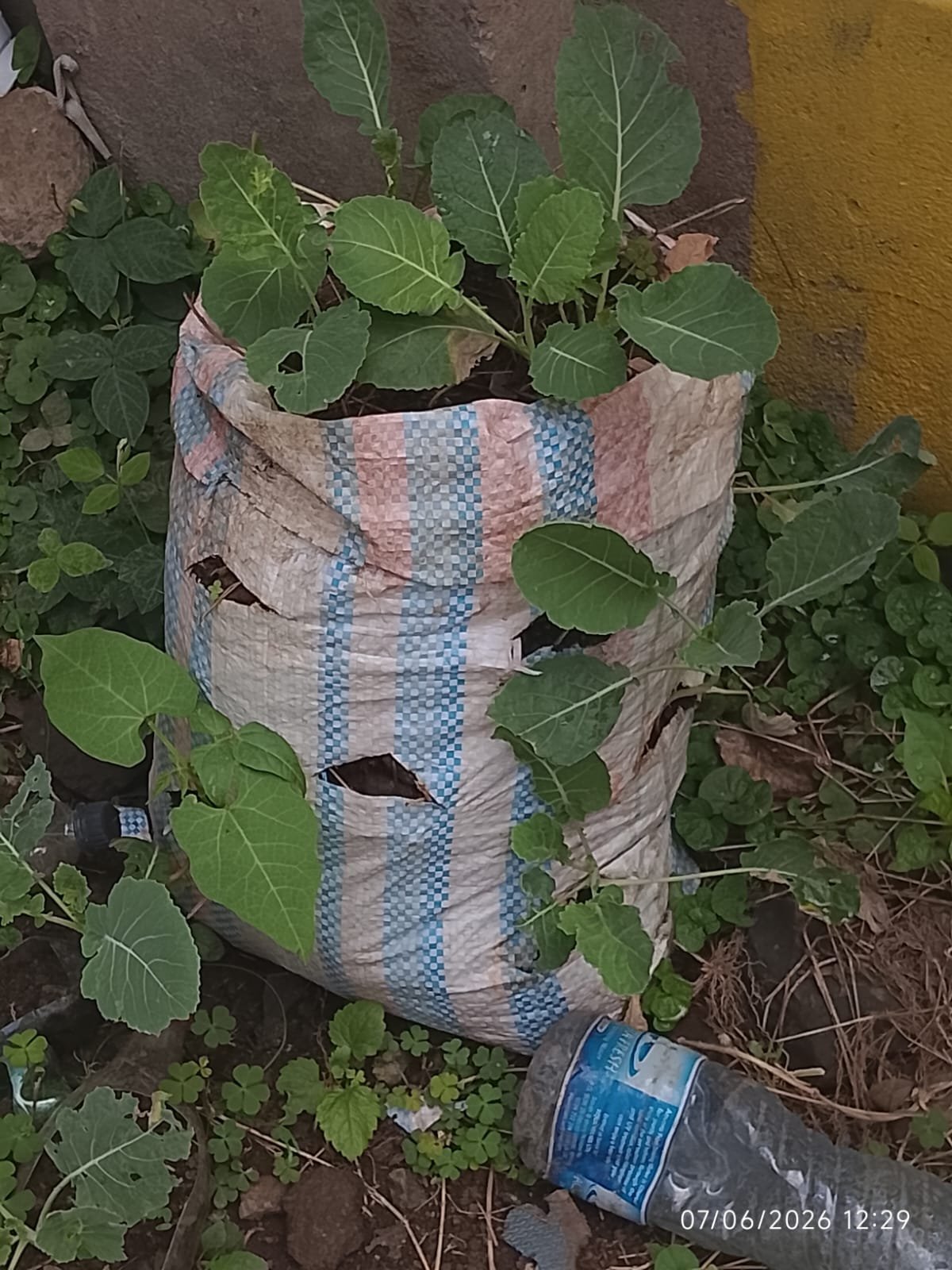
Each seedling went into its bottle roots first, soil pressed in gently around the stem, then watered straight away so the soil settles against the roots instead of leaving air pockets.
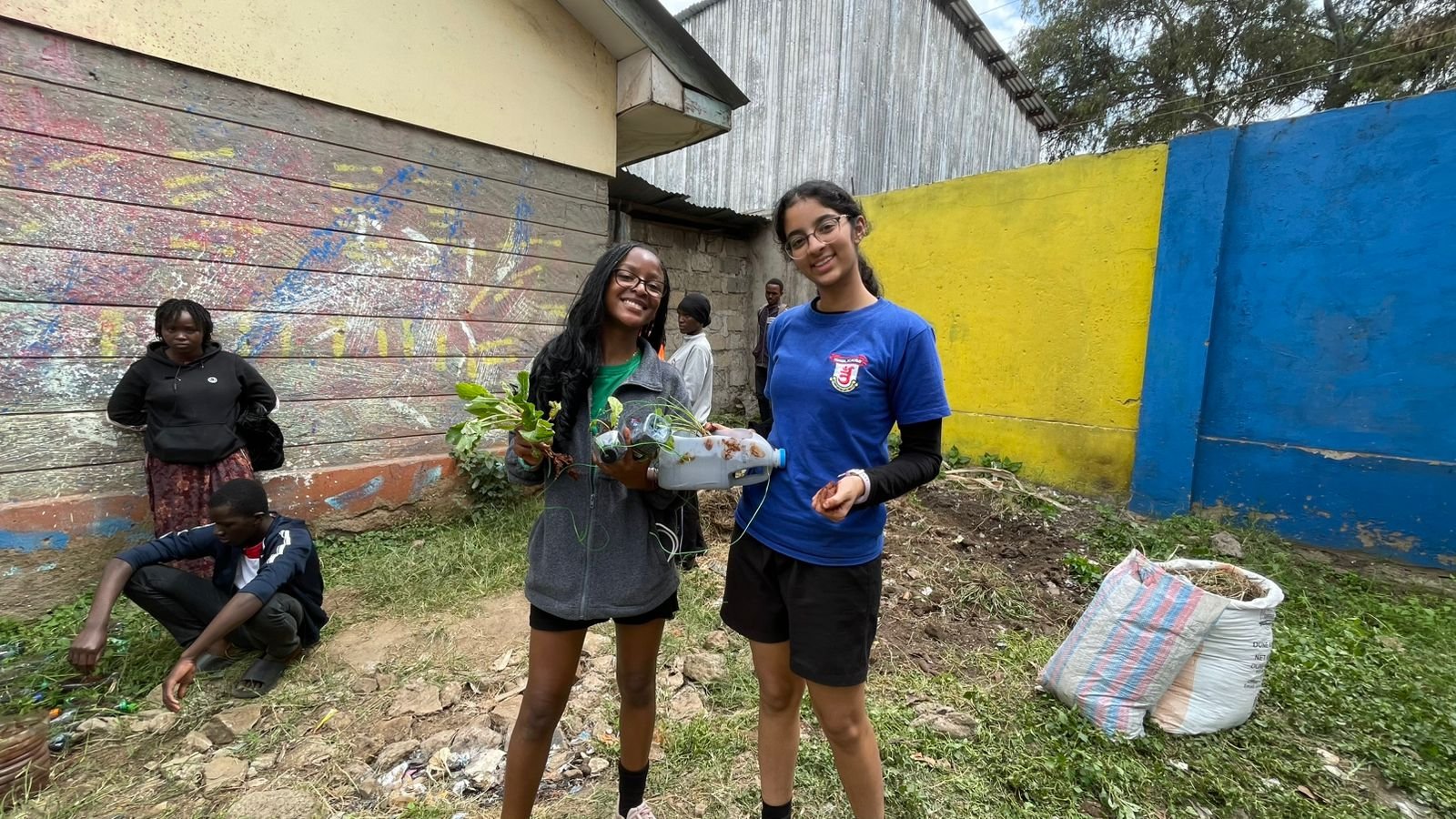
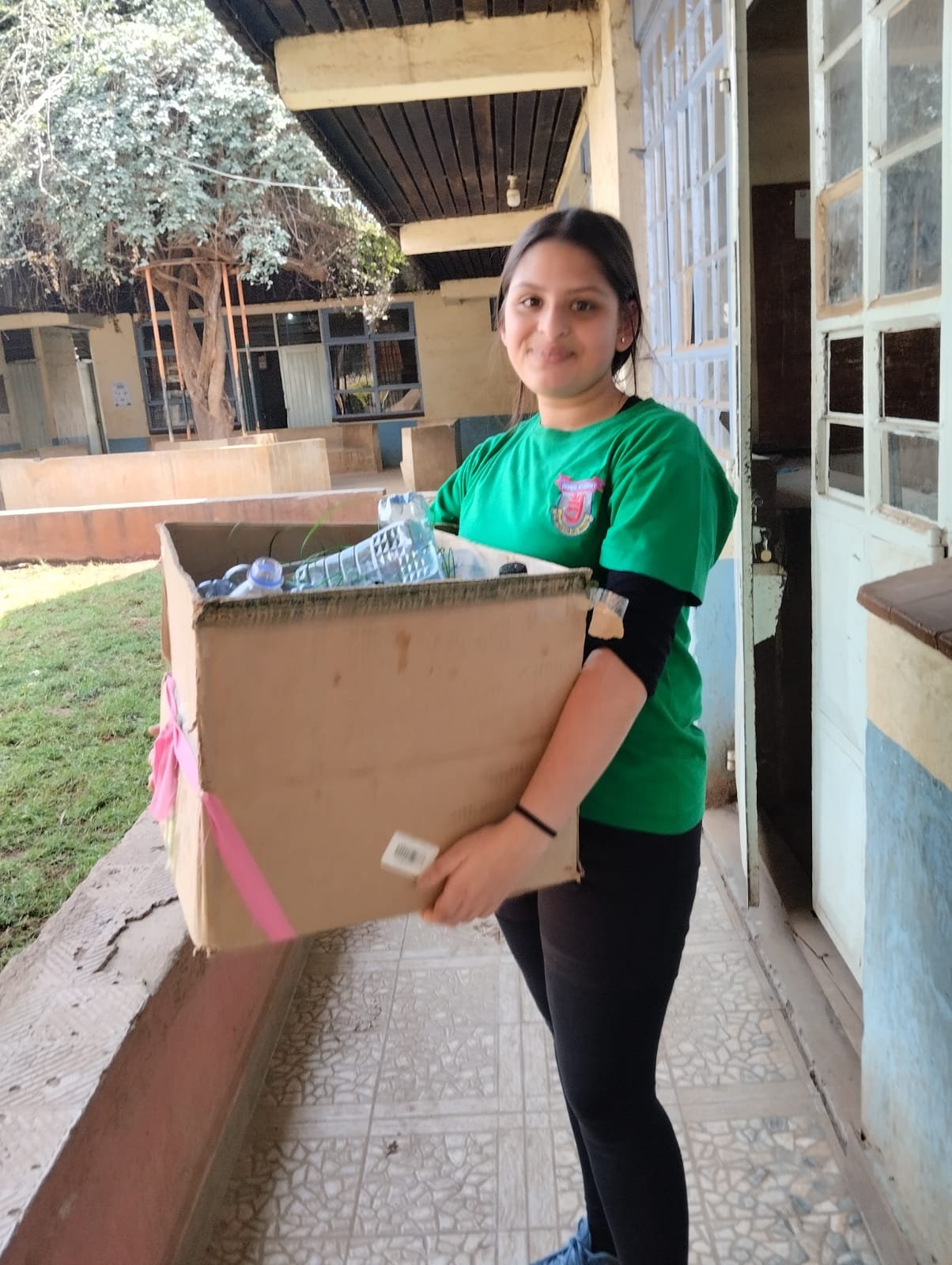
With gratitude and appreciation
Chapter 04
Watch Us Grow
Planting takes one afternoon. Keeping things alive takes every week after that, and it is where most school gardens quietly die.
So we wrote the care work down and put names against it. This is the actual rota from our noticeboard.
| How often | What we do | Why it matters |
|---|---|---|
| Every morning | Water lightly, before the sun is high | Bottles are small and dry out fast; midday water mostly evaporates |
| Every morning | Look under the leaves | Aphids and whitefly hide there and are easy to stop early |
| Twice a week | Pull weeds out by hand | In a bottle, a weed drinks the water the crop needed |
| Weekly | Measure and photograph one marked bottle | Growth is slow to notice, and obvious in two photos side by side |
| Monthly | Top up compost, check drainage holes | Holes block, soil compacts, roots suffocate |
Chapter 05
Growing Food, Growing Knowledge
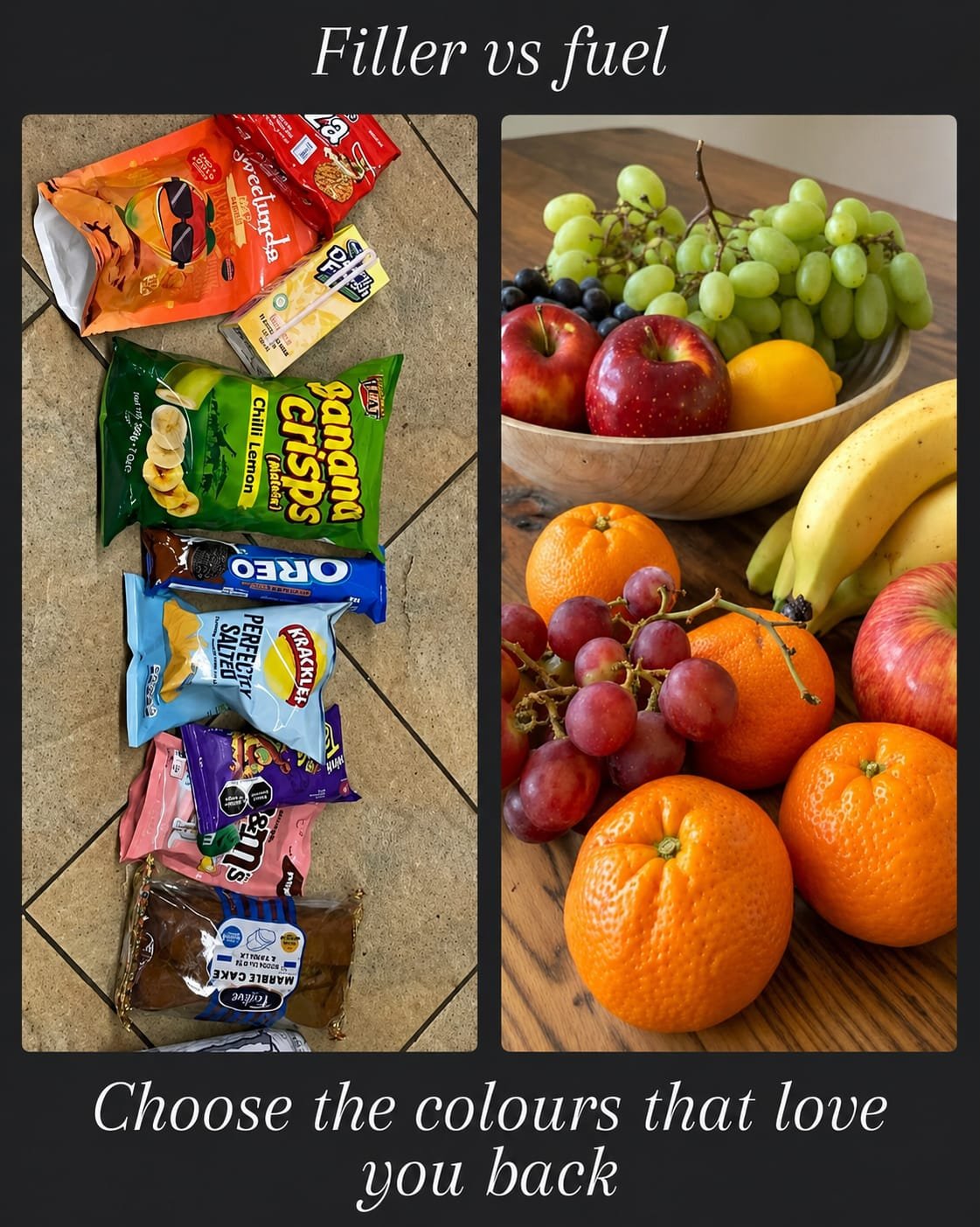
The name is Balanced Bites for a reason. Growing kale is only half of it — knowing why the kale belongs on the plate is the other half.
Alongside the garden we run short talks, ten minutes at a time, on what a balanced plate actually looks like. Six things, none of them expensive.
-
Fruit & vegetables
The largest share of the plate. Colour is a rough guide — the more colours across a week, the wider the range of vitamins.
-
Proteins
Beans, lentils, eggs, fish, meat. Growth, repair and immunity. Beans do much of the same job as meat for a fraction of the price.
-
Carbohydrates
Ugali, rice, potatoes, bread. The fuel. Whole-grain versions release energy slower and keep you full for longer.
-
Healthy fats
Groundnuts, avocado, seeds, cooking oil in sensible amounts. Fat is not the enemy; it is how the body takes in vitamins A, D, E and K.
-
Vitamins & minerals
Iron, calcium, vitamin A, vitamin C. Mostly they arrive with the vegetables — which is exactly the part that gets dropped first.
-
Water
Free, forgotten, and needed for every single process above. Clean water beside the food, not sugary drinks instead of it.
One thing we learned the hard way: growing a vegetable does nothing if it is then boiled to death. Half of our nutrition talk is now about cooking greens briefly, in a little water, with the lid on.
Chapter 06
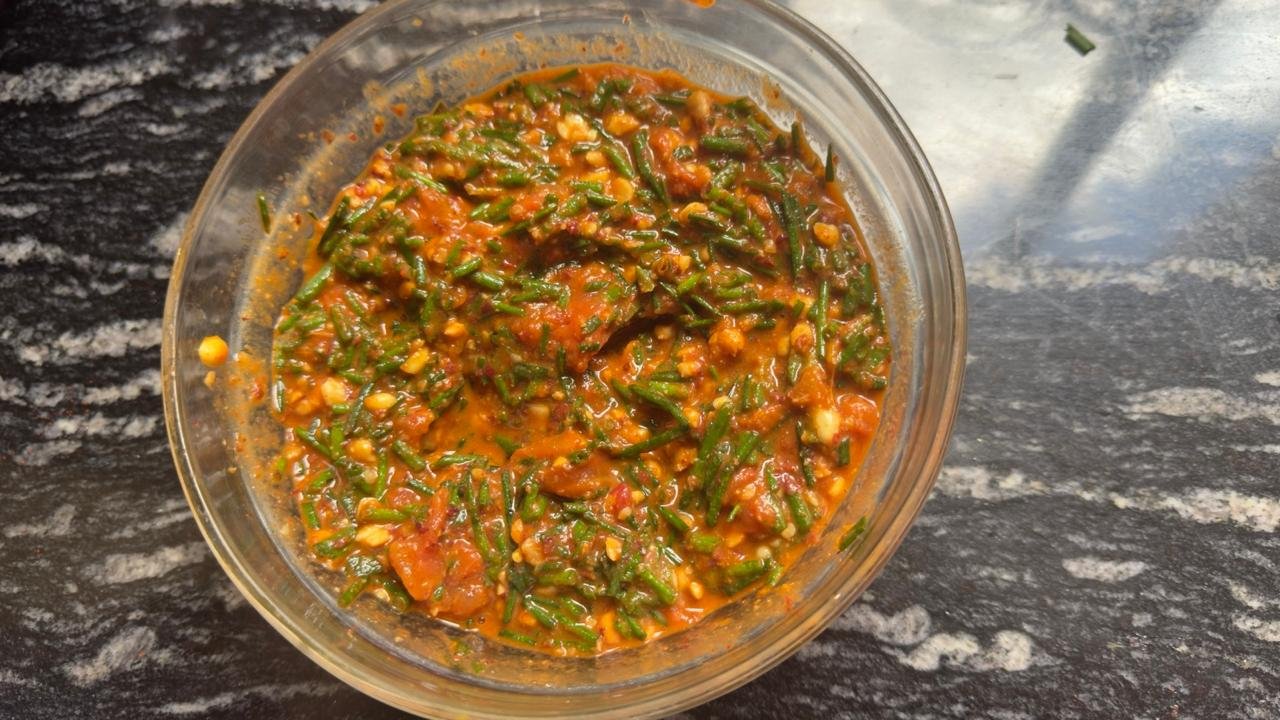
The harvest
Chapter 07
By the Numbers
Where the project stands today.
- 250Bottles collected
- 175Seedlings planted
- 65Children reached
- 9Crop varieties growing